
The Boulder climate case is headed to the Supreme Court.
Here is what the justices actually agreed to decide.

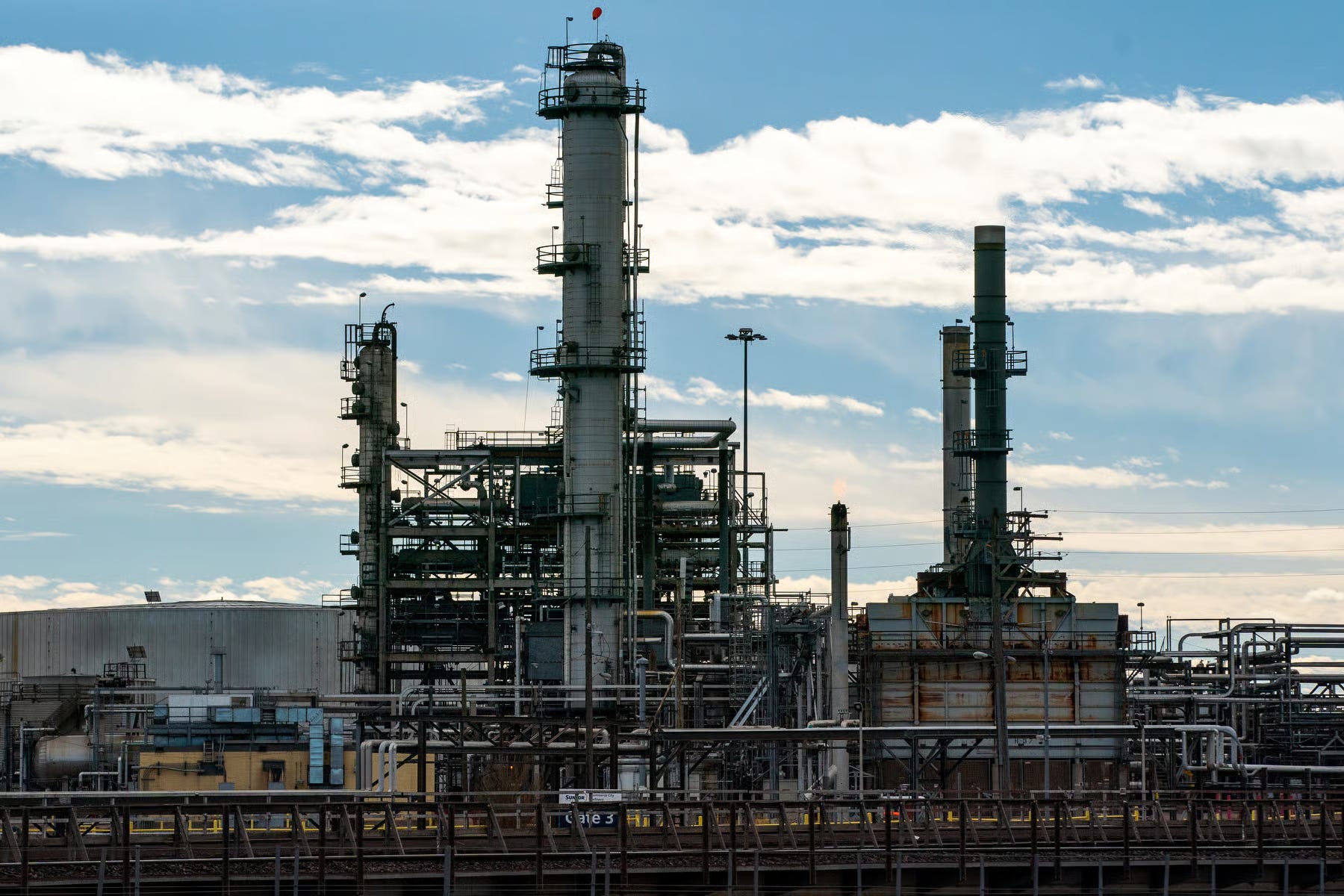
This fall the Supreme Court will hear arguments in a lawsuit that the City of Boulder and Boulder County filed against ExxonMobil and Suncor Energy back in 2018. It is one of dozens of similar cases around the country, but it is the first the justices have agreed to take up, and how they rule could affect many of the other cases now working their way through the courts.
How a local lawsuit ended up at the Supreme Court
Boulder sued in 2018, arguing that Exxon and Suncor spent decades selling fossil fuels while understanding the damage those products were doing to the climate, and misled the public about it along the way. The city and county are not asking the companies to stop drilling or to cut their emissions. Instead, they want the companies to help pay for the local costs of climate damage. These costs are ones that residents are already covering, including the 2021 Marshall Fire, which destroyed more than 1,100 homes in the county and which scientists found burned more destructively because of climate change. One estimate puts the climate bill for Colorado communities at up to $37 billion by 2050.
For years Exxon and Suncor tried to move the case out of Colorado state court and into federal court, where they believed they stood a better chance of getting it dismissed. Two federal courts turned them down. Then in May 2025 the Colorado Supreme Court ruled 5 to 2 that Boulder’s case could proceed toward trial. The companies appealed that decision to the U.S. Supreme Court, and in February 2026 the justices agreed to hear it.
The nation’s highest court agreeing to hear the case is a big deal. Communities have been bringing these cases since 2017, and the Supreme Court had turned away five separate requests to revisit them before finally agreeing to take up Boulder.
Who is suing whom, and over what
The plaintiffs are the City of Boulder and Boulder County. The defendants are ExxonMobil and Suncor, which operates the Commerce City refinery north of Denver. Exxon is named in most of the climate cases around the country, which is part of why a ruling here carries weight well beyond Colorado.
Boulder’s claims rest on state laws covering public nuisance and consumer protection. They argue that the companies understood for decades that their products were changing the climate, kept selling them anyway, and ran a sustained campaign to mislead the public about the science. Boulder’s filing says plainly that it is not asking any court to regulate fossil fuel production or emissions, and the Colorado Supreme Court agreed. What it wants is for the companies to pay their share for the harm they helped cause.
That distinction matters, because the companies’ main defense depends on recasting the case as an attempt to regulate emissions and set national climate policy, which is exactly the characterization courts have kept rejecting.
The two questions the Court agreed to decide
The case presents two questions. The first is the one the companies brought, the question of preemption. Preemption is the principle that when an issue falls under federal authority, federal law can override state law and shut down claims brought under it. The companies say climate change is a federal matter, so Boulder should not be allowed to sue them under Colorado law at all, and a ruling in their favor would end Boulder’s case. The Court agreed to take that up, and then added a second question of its own, asking whether it has the authority to rule on the case now or should wait until the case reaches a final judgment in Colorado.
The second question is the significant one, because it gives the Court a way to resolve the case without ruling on preemption at all. The Supreme Court generally reviews a state case only after a final judgment, and the Colorado Supreme Court’s ruling was not final. It simply allowed the case to proceed toward trial. Boulder has argued that a ruling at this stage is not the kind the justices may review, so the Court should not weigh in yet. That the justices added the question themselves has struck legal experts as telling, and might imply that some justices do not yet want to wade into this topic just yet.
The companies’ argument, and why courts keep rejecting it
Exxon and Suncor argue that Boulder’s claims are preempted by federal law. The reasoning is that because greenhouse gases cross state lines and the federal government regulates emissions, a single state cannot use its own laws to assign blame and damages for a global problem.
The trouble for the companies is that courts keep finding the argument does not fit the case. Colorado’s courts rejected it, pointing out that Boulder is seeking compensation for harm rather than trying to regulate emissions. Hawaii’s Supreme Court rejected it as well, and last year the U.S. Supreme Court declined to disturb that ruling. But the record is not entirely uniform. In March 2026, Maryland’s high court sided with the oil companies and found three local cases preempted, though two dissenting justices wrote that the majority had accepted a strawman version of what the plaintiffs were actually claiming.
There is also a complication from the Trump administration that cuts against the companies. The EPA recently moved to revoke its endangerment finding, the determination that greenhouse gases threaten public health, which had been the basis for federal authority to regulate emissions in the first place. That puts the companies in an awkward position, arguing that comprehensive federal regulation preempts Boulder’s claims at the very moment the federal government is insisting it has no authority to regulate those emissions at all. Some legal experts argue that the EPA’s move to revoke its endangerment finding strengthens Boulder’s position by undercutting the industry’s argument that federal regulation occupies the field.
Why this reaches well beyond Boulder
More than one in four Americans now live in a community that has sued oil and gas companies over climate deception. States, cities, counties, and tribes have all brought their own versions of these claims. Since the Court agreed to hear Boulder, oil company defendants in other cases have been asking judges to pause their proceedings until the justices rule, on the theory that the outcome could decide their cases too.
The companies would like this to sound like a single decision that could wipe out every case at once, but the reach of any ruling is more limited than that. These cases rest on different state laws and different legal theories, so how much a decision affects them depends heavily on how broadly or narrowly the justices choose to write it. The laws communities are relying on have not changed simply because the Court agreed to hear Boulder. State and local governments can keep litigating while the case is pending, and many will do just that.
What to watch
We’ll keep covering each stage in the months ahead, and we’ll keep saying what the industry would rather you forget. The case in front of the Court is narrower than the companies want it to look, the Court handed itself an exit on the jurisdiction question that it may well take, and the laws communities are using to make polluters pay are still standing. Big Oil has spent years and millions of dollars trying to buy its way out of accountability, in the courts, in Congress, and in the states. That fight is far from over, and we intend to win it.
Futures generations don't have to pay for our present mistakes.