It Ain't Over Til It's Over
The Iran war energy shock isn't behind us, and for working families, the damage is already done

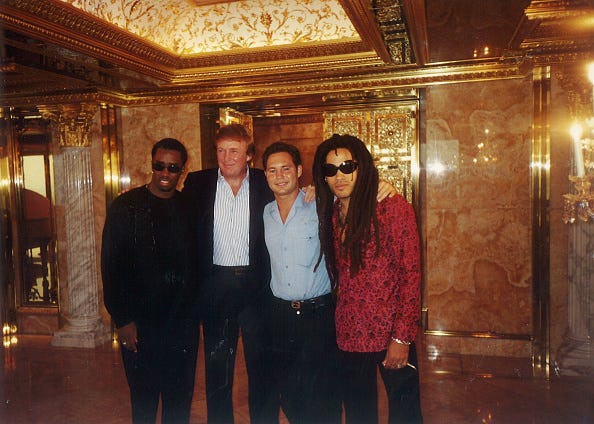
Lenny Kravitz has a song called "It Ain't Over 'Til It's Over." He wrote it about a relationship that everyone around him could see was finished except for the two people still in it. The denial, the wishful thinking, the insistence that things were about to turn around…sound familiar?
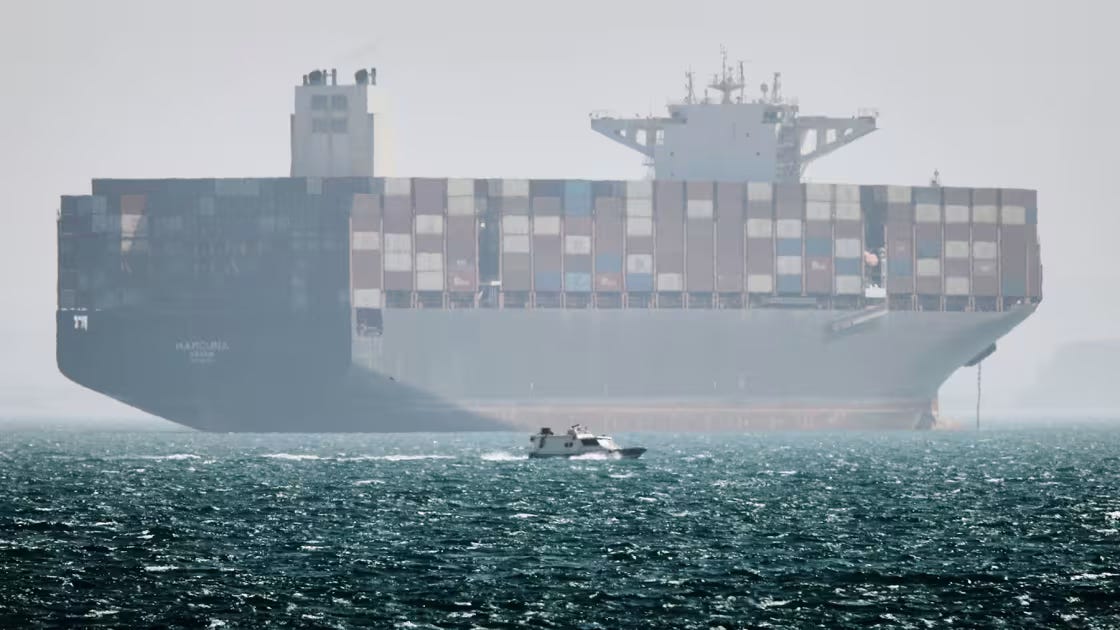
We’ve been thinking about that song a lot this week. Because right now, everyone in the Trump Administration seems ready to call the Iran energy crisis finished. Trump himself is declaring the Strait of Hormuz “totally safe, secure and pristine.”
But working families are still paying more at the pump than they were four months ago. Oil companies are still sitting on billions in windfall profits they made from the chaos. The Strait isn’t fully open and the structural problem – an economy built around globally traded oil that spikes every time a conflict breaks out somewhere on the map – hasn’t changed at all.
It ain’t over. And until we actually fix the underlying system, it never really will be.
What the last few months actually looked like
Before the war started, the national average gas price was sitting around $2.98 a gallon. It climbed to a recent peak of $4.50 — the highest of either of Trump’s presidential terms — and still sits around $4.05 today. The International Energy Agency called this the “largest supply disruption in the history of the global oil market.” The World Bank now expects global growth to fall to 2.5 percent this year from 2.9 percent in 2025, inflation hit an annual rate of 4.2 percent in May, and Wall Street expects the Federal Reserve to raise rates at least once this year.
All of this is why energy bills went up, why mortgage rates stayed stuck, and why a lot of people began making difficult decisions at the supermarket.
Who made money while everyone else paid
While families were cutting back, the oil industry was having its best quarter in years. Six of Europe’s leading oil majors recorded combined profits of $21.7 billion in Q1 2026, 43 percent higher than the same period last year, and immediately announced dividend increases and share buybacks.
Shell’s CEO described the company’s commitment to returning 40 to 50 percent of cash flow to shareholders as “sacrosanct.” American producers are on track to pull in over $60 billion in additional cash flow this year if prices hold.
A deal is not a solution
The framework agreement is a step in the right direction absolutely, but calling this over because a deal was announced is a little like declaring a kitchen fire extinguished because someone turned off the stove. Production and refining facilities that have been offline or running below capacity don’t just flip back on, and insurance markets for ships traversing the Strait remain cautious regardless of what the diplomatic language says, meaning the tankers stuck in the Gulf aren’t going anywhere until underwriters feel confident the risk has actually changed.
Beyond the logistics, there’s also the harder question of what the Strait looks like going forward. Iran has pushed to impose transit fees on ships passing through, and even if that doesn’t get codified into any final agreement, the last four months demonstrated something that can’t really be unseen, the fact that Iran can close one of the world’s most critical energy chokepoints whenever it wants, and the United States cannot guarantee it stays open.
The longer problem
What this crisis made viscerally clear is something climate advocates have been saying for years without quite breaking through… ahem, oil dependency is volatility. A conflict thousands of miles away instantly raises costs for families here because that’s how a globally traded commodity works. There’s no version of this fossil fuel system where that vulnerability goes away.
The good news, if we can call it that, is that the energy shock seems to be accelerating the case for alternatives in ways that years of policy arguments haven’t. The profound vulnerability exposed by the last four months is pushing countries to diversify seriously, and the economics of clean energy have shifted enough that the transition is genuinely more feasible than it was even during the 2022 Ukraine shock. In April, wind and solar generated more electricity globally than gas for the first time.
The deal with Iran, if it holds, is good news, but a ceasefire is not a complete fix. Lenny Kravitz’s couple kept cycling back through the same patterns because neither of them was willing to change anything fundamental. We’ve been doing the same thing with fossil fuels for decades. The only way the song finally ends is if we actually build something different.